













Dry Skin, Wrinkles & Facial Rejuvenation: An Ayurvedic Approach

Fine lines, dryness and reduced suppleness are natural parts of ageing, but their timing and severity vary widely. Genetics, hormones, sun exposure, nutrition and lifestyle all play a part. Modern skincare focuses mainly on the visible signs. Ayurveda also considers internal balance, digestion and daily habits.
Why Skin Becomes Drier With Age
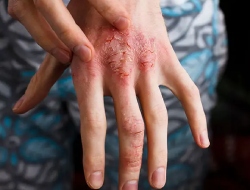
Healthy skin relies on a barrier that retains moisture and keeps irritants out. Over time, the skin produces less sebum, and collagen, elastin and hyaluronic acid decline. The outer layer also becomes less efficient at holding water. This can show up as:
- Fine lines, especially around the eyes and mouth
- Dry, rough or flaky skin
- Reduced firmness and elasticity
- Increased sensitivity
- Thinner skin that bruises more easily
Sun exposure is a major contributor to premature ageing, as ultraviolet radiation damages collagen and elastin. Declining oestrogen around menopause also affects skin thickness and hydration. You can’t prevent ageing, but good skincare, nutrition, and lifestyle can keep your skin healthier and more comfortable.
The Ayurvedic View
Ayurveda regards ageing (Jara) as a natural process. It sees skin health as a reflection of the doshas and the nourishment of the body’s tissues (Dhatus).
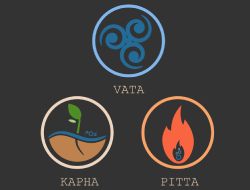
Vata is dry, cold, rough and light. Classically, Vata predominates in later life, which is why dryness, fine lines and thinning become more noticeable with age.
Pitta is hot and transformative. Bhrajaka Pitta, its skin-specific subtype, is traditionally linked to complexion and lustre. Excess Pitta from sun, heat or stress may show as redness, sensitivity, pigmentation and earlier lines.
Kapha is moist, soft and unctuous (snigdha). A relative decline in these qualities is associated with the loss of plumpness and natural lubrication.
Ayurveda also looks to Rasa and Rakta Dhatu (the tissues associated with nourishment, fluid balance and complexion) and to Ojas, the subtle vitality said to give skin its glow. When these are considered depleted, skin may lose softness and radiance.
These are traditional interpretations rather than established biological explanations of skin ageing.
Digestion, Nutrition and Skin
Ayurveda places great importance on Agni, the digestive fire that transforms food into nourishment. When Agni is weak or irregular, food may be incompletely digested, creating Ama, and the tissues are thought to be poorly nourished. This is why Ayurvedic skincare extends beyond topical treatments.
Modern nutrition supports the same emphasis on whole foods. Protein, essential fatty acids, vitamins and minerals support skin structure, vitamin C contributes to collagen formation, and healthy fats help maintain the barrier. A diet rich in vegetables, fruit, whole grains, nuts and seeds covers these needs. Hydration matters, but drinking more water alone won’t fix dryness caused by a compromised barrier.
Ayurvedic Approaches to Facial Rejuvenation
These practices fall under Rasayana, the Ayurvedic approach to nourishment, resilience and healthy ageing. Rather than targeting wrinkles alone, they consider your constitution, skin type, lifestyle and overall wellbeing.
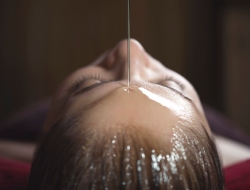
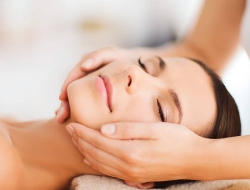
Abhyanga and facial oils. Gentle massage with suitable oils is a traditional way to nourish and soften the skin. Oil application may reduce moisture loss, support the barrier and promote relaxation. Richer oils such as sesame or almond are traditionally used for dry, Vata-type skin. Lighter or cooling oils, such as coconut, suit sensitive or Pitta-type skin.
Diet and daily routine (Dinacharya). For Vata-related dryness, Ayurveda emphasises regular meals, warm freshly prepared foods, suitable healthy fats, consistent sleep and protection from cold, windy or drying conditions. Stress management, gentle yoga and relaxation support these routines.
Traditional Herbs for the Skin
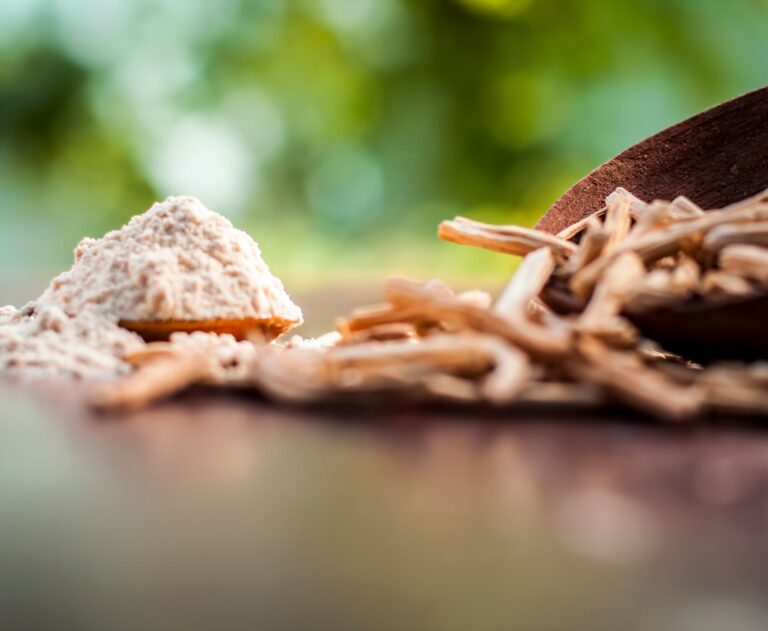
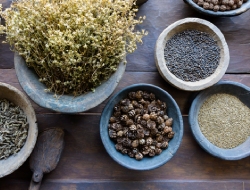
Herbs such as amalaki, ashwagandha and shatavari are traditionally used in Rasayana practice. The right choice depends on your constitution, health concerns and any medications.
Ayurveda sees glowing skin as a reflection of internal balance and healthy blood (Rakta). Herbs are used internally (teas, powders, decoctions) and externally (face packs, ubtans, oils).
Gotu kola (Centella asiatica). Valued as a longevity herb, traditionally taken to support tissue health and circulation. Applied topically, it is one of the better-researched herbs for skin firmness and barrier repair.
Licorice (Yashtimadhu, Glycyrrhiza glabra). Traditionally taken as a tea to soothe digestion. In face packs, its glabridin content is studied for brightening dark spots and calming redness.
Manjistha (Rubia cordifolia). Traditionally taken to support healthy blood and complexion. Root powder is added to masks to even tone and promote radiance.
Turmeric (Curcuma longa). Taken in warm milk for its antioxidant, anti-inflammatory reputation. In ubtans, it is used to calm skin and add glow. Use sparingly, as it can stain temporarily.
Tulsi (Ocimum sanctum). Taken as tea to help the body manage stress, which can aggravate skin concerns. Used in toners and fresh leaf pastes to soothe oily or inflamed skin.
Sandalwood (Chandan, Santalum album). Used almost exclusively externally. This cooling paste or powder is traditional for calming heat (Pitta), sunburn and irritation.
Combining them
- Dry or ageing skin: Gotu kola and licorice powders mixed with honey, cream or a nourishing oil.
- Sensitive or Pitta-type skin: Sandalwood and turmeric with milk or rose water.
- Internally: Warm licorice, fennel or tulsi tea.
Patch-test any new mask first. Some herbs are unsuitable for everyone. Licorice can raise blood pressure with regular use, and turmeric, manjistha and gotu kola may interact with medications or be unsuitable in pregnancy or liver conditions. Consult a practitioner before taking herbs internally.
Protecting Your Skin from Premature Ageing
Daily broad-spectrum SPF 50 or SPF 50+ sunscreen is essential in Australia’s high-UV environment, and generally reducing sun exposure during high-UV periods during the day . Gentle cleansing, regular moisturising, avoiding very hot showers, getting enough sleep, and not smoking all help preserve the skin barrier.
Our Ayurvedic Approach at Yatan
At Yatan Holistic Ayurvedic Centre, we recognise that factors beyond the skin itself can influence dry skin and premature facial ageing.
Our personalised Ayurvedic consultations consider your constitution, digestion, dietary habits, lifestyle and current health concerns. Recommendations may include nutritional guidance, traditional Ayurvedic oils, suitable herbal preparations and supportive daily practices.
We don’t promise to reverse ageing, but we aim to support healthier skin, natural moisture balance, and overall wellbeing through an individualised Ayurvedic approach.
If you are concerned about persistent facial dryness, skin sensitivity or changes associated with ageing, an Ayurvedic consultation can help you explore supportive strategies suited to your individual needs.
Book an Ayurvedic Consultation

*Discover holistic healing with a complimentary phone or video consultation from our expert Ayurvedic practitioner. Start your path to better health today!*
Related Posts