













Heavy Menstrual Bleeding (Menorrhagia): Causes and Ayurvedic Support
Heavy menstrual bleeding, traditionally known as menorrhagia, is bleeding that is unusually heavy, prolonged or disruptive to daily life. Some women naturally have heavier periods than others, but a significant change in flow, or ongoing excessive bleeding, shouldn’t simply be treated as normal. It’s especially common during adolescence and perimenopause, when cycles are less regular, but it can occur at any reproductive age.
What Counts as a Heavy Period?
There’s no single definition — what matters is how much bleeding affects your health and daily life. Signs include:
- Changing a pad or tampon every 1–2 hours
- Needing two forms of protection together
- Bleeding through clothing or bedding
- Passing large clots
- Bleeding lasting more than seven days
- Fatigue, weakness, dizziness or shortness of breath
- Limiting work, exercise, social activities or sleep because of bleeding
Frequent or prolonged blood loss can deplete iron stores and lead to iron-deficiency anaemia, which is why persistent heavy periods deserve medical assessment rather than just being managed as an inconvenience.
What Causes Heavy Menstrual Bleeding?
Sometimes no specific cause is found, but possible causes include:
- Fibroids – non-cancerous growths in or around the uterus
- Adenomyosis – uterine-lining-like tissue growing into the uterine wall
- Uterine or cervical polyps
- PCOS and other conditions involving irregular ovulation
- Endometriosis, particularly with significant pelvic pain
- Thyroid disorders
- Pelvic infection
- Bleeding or clotting disorders, such as von Willebrand disease
- Certain medications, particularly anticoagulants
- Contraceptive changes – a copper IUD can increase flow
- Perimenopausal hormonal changes
- Endometrial hyperplasia, and less commonly, uterine cancer
When ovulation doesn’t occur regularly, the uterine lining can keep developing under hormonal stimulation before eventually shedding — often producing an irregular, prolonged or heavier period.
Heavy Menstrual Bleeding in Ayurveda
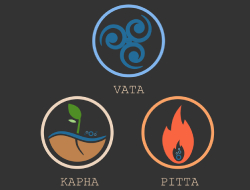
Ayurveda considers menstruation part of Artava, understood through the balance of the doshas, Agni (digestive and metabolic function), tissue nourishment and the movement of Apana Vata. Heavy bleeding is traditionally associated with aggravated Pitta — specifically Rakta Pitta, a disturbance of Pitta and Rakta Dhatu (blood tissue). Pitta’s hot, sharp and penetrating qualities, when excessive, are traditionally linked to increased heat and excessive flow.
Not every case fits this pattern, though. Vata, Kapha and underlying reproductive or hormonal factors may also play a role:
- Pitta predominance — heavy or intense bleeding, heat sensations, irritability or inflammatory symptoms
- Vata involvement — irregular bleeding with cramping, pain, anxiety, dryness or exhaustion
- Kapha involvement — heaviness, sluggishness, congestion, or a tendency toward fibroids or PCOS
Because of this variation, Ayurvedic care should be individualised rather than assuming every case simply needs a “Pitta treatment.”
Ayurvedic Support for Heavy Periods
The first priority is always understanding why the bleeding is occurring — Ayurveda shouldn’t be used to delay proper medical investigation of persistent or unusually heavy bleeding. Once significant causes have been ruled out or addressed, Ayurvedic care can complement conventional treatment.
An individual program may consider the pattern and duration of bleeding, menstrual pain and clotting, digestive and bowel function, signs of Pitta aggravation, stress and sleep, diet, age and reproductive stage, any diagnosed conditions (PCOS, fibroids, adenomyosis), and current medications or contraception. Treatment targets this individual pattern, not heavy bleeding as an isolated symptom.
Diet and Lifestyle
Where excess Pitta is present, Ayurveda favours a cooling, nourishing, regular diet and reduces excessively heating foods. Helpful foods may include cooked green vegetables, asparagus, leafy greens, carrots, pomegranate, coriander, fennel, coconut, suitable whole grains, and adequate protein. Reduce very spicy foods, excess chilli, and alcohol if they seem to aggravate symptoms.
The traditional advice to simply “eat beetroot and spinach” for heavy bleeding needs some qualification — these are nutritious, but shouldn’t be relied on to correct possible iron deficiency. Iron status is best assessed medically, especially alongside fatigue, weakness, dizziness or breathlessness.
Ayurvedic Herbs and Individualised Preparations
Ayurveda has long used herbs and formulations in women’s reproductive care, but selection depends on constitution, menstrual pattern, diagnosis, medications and overall health — there’s no single herb or formula suited to every case. At Yatan Holistic Ayurvedic Centre, we choose herbal preparations individually after consultation, rather than recommending them based on a symptom alone.
Yoga and Pranayama
During very heavy bleeding, vigorous exercise, strenuous yoga and strong abdominal techniques may not be appropriate, particularly if you’re feeling weak or dizzy. Gentle movement, rest and calming breathwork tend to be more suitable. Cooling pranayama practices such as Sitkari or Sheetali may be incorporated where appropriate, as supportive practices for balance and relaxation — not as treatments for abnormal uterine bleeding itself.
When Should Heavy Bleeding Be Medically Investigated?
Seek medical advice if your periods suddenly become much heavier, stay unusually heavy over several cycles, interfere substantially with daily life, or come with significant pain. Assessment is particularly important with:
- Bleeding between periods or after intercourse
- Bleeding after menopause
- Severe or worsening pelvic pain
- Persistent weakness, dizziness or breathlessness
- Symptoms suggesting anaemia
- A significant change from your usual pattern
Very heavy bleeding with fainting, marked weakness or severe pain requires prompt medical attention.
A Personalised Approach to Menstrual Health
Heavy periods are a symptom, not a single condition — two women can experience similar bleeding for entirely different reasons. Ayurvedic assessment looks beyond the period itself, considering digestion, constitution, lifestyle, stress and reproductive history together. Where appropriate medical investigation has been undertaken, personalised Ayurvedic care can support menstrual health, nutrition, energy and overall wellbeing alongside conventional care.
Experiencing persistent or unusually heavy periods?
Book an Ayurvedic consultation to discuss a personalised approach to menstrual and reproductive wellbeing alongside appropriate medical care.

*Discover holistic healing with a complimentary phone or video consultation from our expert Ayurvedic practitioner. Start your path to better health today!*
Related Posts