










Swollen Lymph Nodes: Causes, Symptoms and an Ayurvedic Perspective
Have you ever noticed a small lump under your jaw, in your neck, armpit or groin? What you’re feeling may be a swollen lymph node – sometimes called a swollen gland.
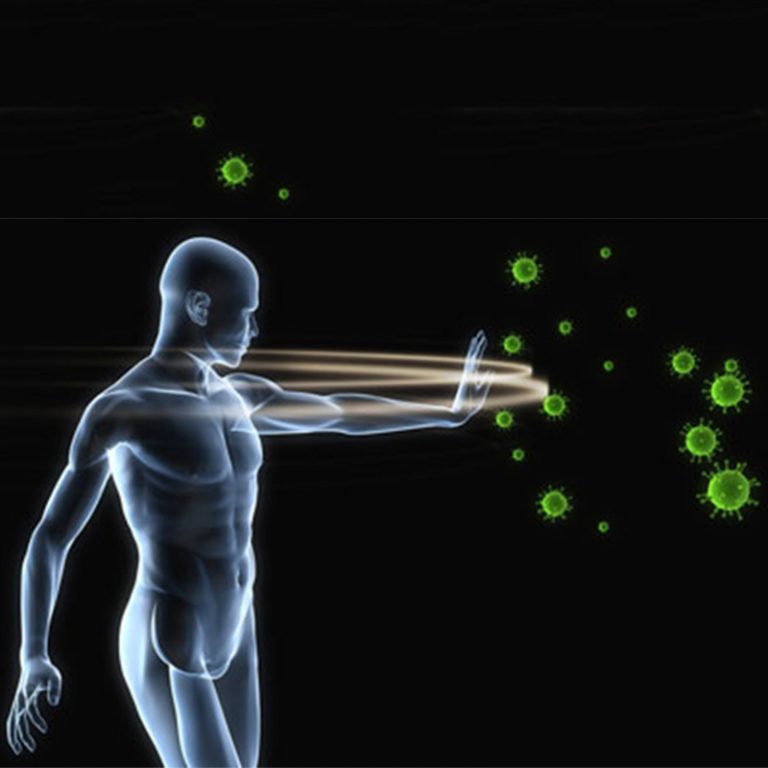
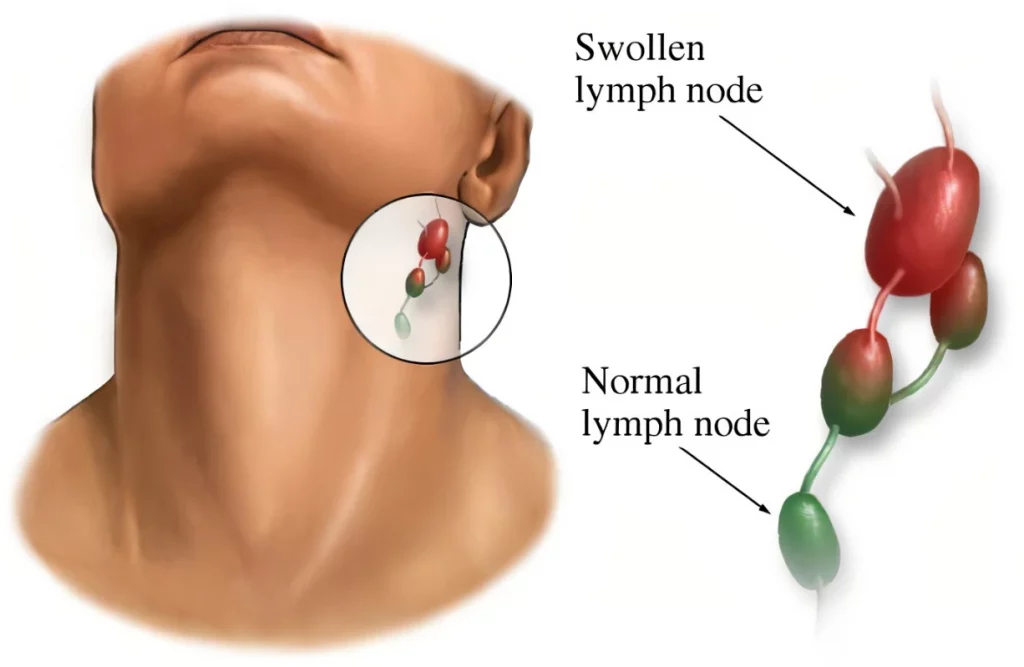
Lymph nodes are small, bean-shaped structures that filter lymph fluid and house immune cells that respond to infection or inflammation. For this reason, swollen lymph nodes are extremely common and often temporary – a cold, sore throat, or dental infection can cause nearby nodes to enlarge while the immune system responds.
Lymph nodes can also enlarge for other reasons, so persistent or unexplained swelling should be medically assessed rather than assumed to simply reflect “poor lymphatic drainage.”
What Lymph Nodes Do
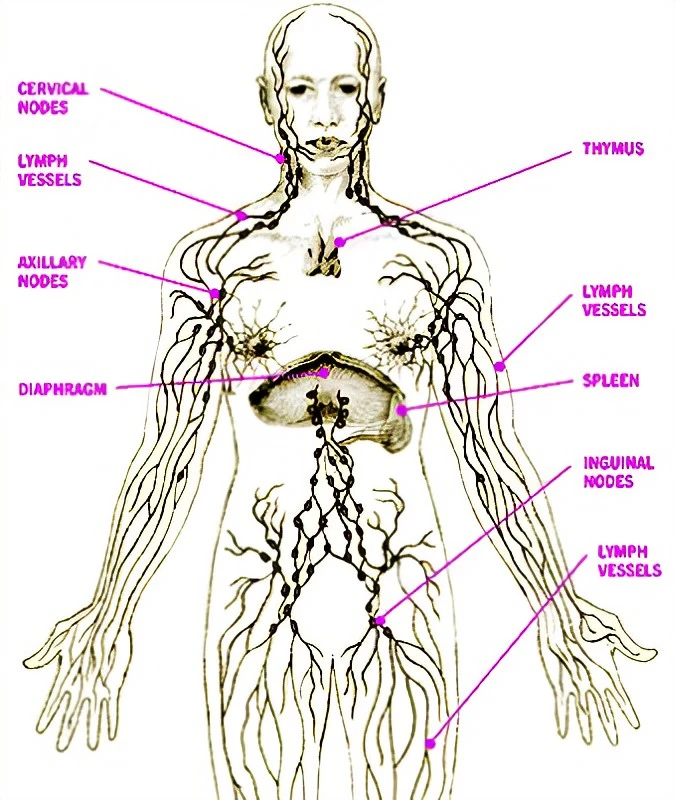
The lymphatic system is a network of vessels, fluid, nodes and organs that:
- return excess tissue fluid to the bloodstream
- transports immune cells
- filters lymph fluid
- helps the immune system recognise and respond to infection
- absorbs certain fats from the digestive system
Nodes cluster in the neck and jaw, armpits, chest, abdomen and groin. When immune cells inside a node activate, it may temporarily enlarge – a process known medically as lymphadenopathy.
What Causes Swollen Lymph Nodes?
The most common cause is infection, particularly viral. Other causes include:
- Bacterial infections – throat, skin, dental and other infections
- Inflammatory or autoimmune conditions – such as rheumatoid arthritis and lupus
- Medicines and vaccinations – some medicines and, occasionally, vaccines cause temporary swelling
- Cancer – a much less common cause; certain blood cancers (lymphoma, leukaemia) involve the lymphatic system directly, while other cancers can spread to nearby nodes
This last possibility is why a persistent, enlarging or unexplained lump warrants medical review.
What Does Location Tell You?
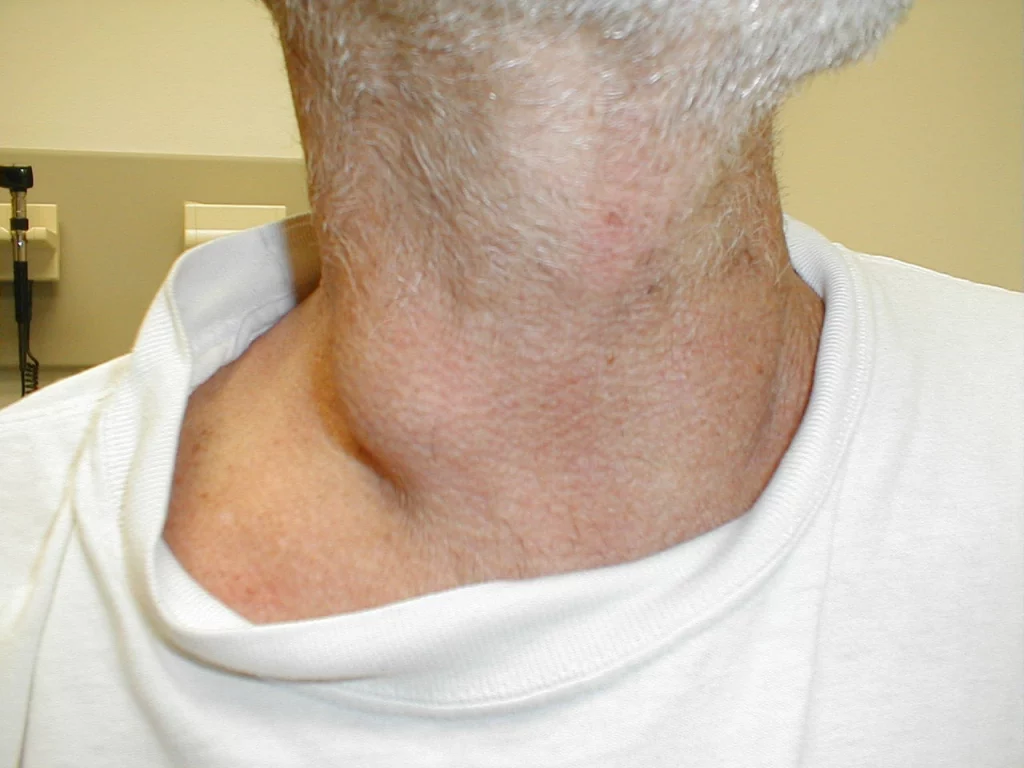
Different node groups drain different areas, so location can offer a clue:
- Neck or jaw – throat, dental, ear or respiratory infections
- Armpit – infection or inflammation of the arm, breast or nearby skin
- Groin – infection or inflammation of the legs, skin or genital area
Nodes can also enlarge in several regions at once (generalised lymphadenopathy), which has its own range of causes. Location alone can’t confirm a diagnosis – unexplained or persistent swelling still needs assessment.
What Do They Feel Like?
Swollen nodes may be soft or firm, tender or painless, slightly or noticeably enlarged, and movable under the skin. Tenderness commonly signals infection. A node that’s progressively growing, unusually hard, or fixed in place should be checked by a doctor – self-examination alone can’t determine whether a node is serious.
When to See a Doctor
Most infection-related swelling settles as the illness resolves, though it can take several weeks. Arrange assessment if a node:
- continues to enlarge
- stays swollen for more than two weeks with no clear cause
- feels hard, rubbery or fixed
- appears with no obvious infection
- comes with persistent fever, night sweats, unexplained weight loss, or unusual bruising/bleeding
- causes ongoing or worsening pain
Seek urgent care if swelling is accompanied by difficulty breathing or swallowing. Further investigation, if needed, may involve blood tests, ultrasound or occasionally a biopsy.
The Ayurvedic Perspective
Ayurveda traditionally considers circulation, fluid balance, digestion, tissue metabolism and elimination when assessing swelling or congestion. The Sanskrit term granthi refers broadly to a knot or nodular swelling in classical texts – it isn’t an exact traditional equivalent of the modern anatomical “lymph node.”
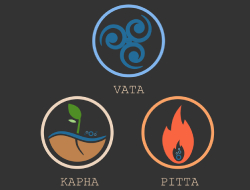
A tendency toward heaviness, sluggish circulation, mucus accumulation and fluid retention is commonly linked to aggravated Kapha dosha. Ayurvedic assessment typically looks beyond the swollen area itself, considering digestion, appetite, bowel function, energy, sleep, diet and other signs of doshic imbalance – a way of reading overall constitution, not a substitute for finding the medical cause of the swelling.
This represents a traditional Ayurvedic way of understanding the person’s overall constitution and health pattern. It does not replace investigation of the medical reason why a lymph node has become enlarged.
Personalised Diet
Rather than a one-size-fits-all “detox,” recommendations should reflect the individual’s constitution and digestion. Where Kapha predominance is present, this might mean warm, freshly prepared, easily digestible meals with plenty of vegetables and warming spices – aimed at supporting Agni – digestion and metabolism.
Ayurvedic Herbs
Herbs traditionally associated with circulation, inflammation and tissue metabolism include Manjistha (Rubia cordifolia), turmeric (Curcuma longa) and ginger (Zingiber officinale) amongst many others. Choice depends on constitution, health history and medications – Ayurvedic herbs shouldn’t be used to self-treat an unexplained lump or delay diagnosis, and can interact with medicines, so professional guidance matters.
Movement and Yoga
Gentle walking, stretching, selected postures and breathing practices can support general circulation, including Indian pushups, Sun Salutations, Forward Bends (both Standing and Seated), Fish pose, and Cobra poses. More strenuous practice shouldn’t be prescribed specifically to “drain” an enlarged node, particularly before the cause is known.
Body Therapies
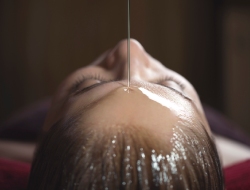
Massage or direct treatment over an unexplained swollen node isn’t advisable until it’s been assessed. Panchakarma, similarly, isn’t a treatment for an undiagnosed lump – its suitability should be judged in the context of general health, not as an alternative to medical investigation.
Putting It All Together
Swollen lymph nodes signal that something is happening in the body, not a disease in themselves. Most often the cause is a temporary infection that resolves on its own, sometimes taking a few weeks. In other cases, further investigation is needed to identify the cause.
FAQ
I’ve had a cold and the lump is still there two weeks later — is that “unexplained”?
Not necessarily – nodes linked to a recent infection can stay enlarged for several weeks after you’ve recovered. It becomes worth checking if it keeps growing, doesn’t start shrinking, or you develop fever, night sweats or weight loss alongside it.
Is it ever okay to massage a swollen node before seeing a doctor?
Better to leave it alone until the cause is known. Specialised lymphatic massage exists for specific diagnosed conditions, but that’s a different, clinically directed intervention – not something to try on an unexplained lump at home.
If it’s not painful, does that mean it’s less likely to be serious?
Not reliably – painless nodes can be infection-related, and some concerning nodes are painless too. Pain (or its absence) isn’t a dependable way to self-triage; the red-flag list above (growth, hardness, fixed position, systemic symptoms) is a better guide for when to get it checked.
Book an Ayurvedic consultation at our Gordon, Sydney clinic or via telehealth Australia-wide — ideally after any persistent or recurrent lymph-node swelling has already been medically assessed.
This article provides general educational information only and isn’t a substitute for individual medical advice, diagnosis or treatment. Seek medical advice for any persistent or concerning swelling.

*Discover holistic healing with a complimentary phone or video consultation from our expert Ayurvedic practitioner. Start your path to better health today!*
Related Posts