





















Acid Reflux: Causes, Symptoms, Diet & Ayurvedic Support
Acid reflux occurs when stomach contents flow back into the oesophagus. This can cause heartburn — a burning sensation behind the breastbone — as well as regurgitation, a sour or acidic taste in the mouth, belching or throat irritation. Occasional reflux is common, while frequent or persistent reflux may be diagnosed as gastro-oesophageal reflux disease (GERD/GORD).
Conventional treatment depends on the frequency and severity of symptoms. Lifestyle and dietary changes may be recommended, while medicines such as antacids or proton-pump inhibitors (PPIs) may be used when appropriate. Persistent reflux should be medically assessed rather than repeatedly self-treated, as there may be contributing factors that require investigation.
What Causes Acid Reflux?
Acid reflux occurs when the normal barrier between the stomach and oesophagus does not prevent stomach contents from travelling upwards. Several factors can contribute, including large or late meals, certain foods and drinks, being overweight, pregnancy, smoking, some medications and hiatus hernia.
Symptoms and triggers vary considerably between individuals. This is why identifying a person’s particular pattern can be more useful than following a highly restrictive diet based on a standard list of foods.
The Ayurvedic Perspective on Acid Reflux
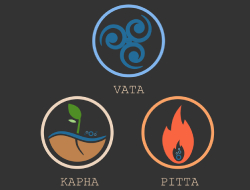
From an Ayurvedic perspective, acid reflux is commonly associated with an aggravation of Pitta, particularly when there is burning, acidity, heat or a sour taste. The condition may be considered within the traditional Ayurvedic concept of Amlapitta, although the individual’s complete digestive pattern is assessed rather than focusing on acidity alone.
Ayurveda places particular importance on Agni, or digestive function. Irregular eating, overeating, unsuitable foods, stress and lifestyle habits may disturb digestion and contribute to dosha imbalance. Vata or Kapha may also be involved depending on symptoms such as bloating, belching, heaviness, sluggish digestion or irregular appetite.
Ayurvedic Support for Acid Reflux
At Yatan, Ayurvedic care for acid reflux is personalised according to the individual’s symptoms, constitution, diet, lifestyle and digestive pattern.
The aim is to support balanced digestion and address the Ayurvedic imbalances identified during consultation. Recommendations may include individually selected Ayurvedic herbs, changes to meal timing and eating habits, an appropriate acid reflux diet, and lifestyle or yogic practices where suitable.
Where symptoms are persistent or unusual, appropriate medical investigation may also be recommended.
Acid Reflux Diet
There is no single acid reflux diet that is suitable for everyone. Rather than automatically eliminating a long list of foods, it can be helpful to identify foods and eating habits that consistently trigger symptoms.
From an Ayurvedic perspective, where excess Pitta is prominent, meals may emphasise foods considered cooling and soothing while reducing foods that are particularly hot, spicy, acidic or irritating for that individual.
Practical measures that may also help include:
- eating smaller meals rather than very large meals
- avoiding lying down soon after eating
- allowing adequate time between the evening meal and bedtime
- eating slowly and chewing food thoroughly
- limiting foods or drinks that consistently trigger symptoms
- maintaining a healthy weight where appropriate.
Dietary recommendations should be personalised, as a food that triggers reflux in one person may cause no difficulty in another.
Yoga and Pranayama
Gentle yoga and breathing practices may be incorporated into an Ayurvedic program to support relaxation, digestive wellbeing and general health. Cooling practices such as Shitali Pranayama may traditionally be considered where Pitta predominates.
Yoga should complement rather than replace appropriate medical management of persistent reflux. Strong abdominal practices or postures that increase pressure on the abdomen may not be appropriate when reflux symptoms are active and should be individually assessed.
When Should Acid Reflux Be Medically Assessed?
Occasional heartburn is common, but frequent or persistent symptoms should be discussed with a doctor. Long-standing GERD can sometimes damage the oesophagus and may be associated with complications such as oesophagitis or Barrett’s oesophagus.
Seek prompt medical advice if reflux is accompanied by difficulty or pain when swallowing, unexplained weight loss, persistent vomiting, signs of gastrointestinal bleeding or worsening symptoms. Chest pain should not automatically be assumed to be heartburn, particularly if it is severe or associated with shortness of breath, sweating, dizziness or pain spreading to the arm, jaw or back.
Looking for Ayurvedic Support for Acid Reflux?
If you experience recurring acid reflux and would like to explore a personalised Ayurvedic approach, Raman Das can assess your symptoms, digestive pattern, diet, lifestyle and Ayurvedic constitution before recommending an appropriate program.
Call 1300 552 260 for a complimentary 10-minute introductory call, or book an Ayurvedic consultation at Yatan Holistic Ayurvedic Centre in Gordon, Sydney.

*Discover holistic healing with a complimentary phone or video consultation from our expert Ayurvedic practitioner. Start your path to better health today!*
Related Posts