










Trusted by Australians since 2000
Ayurveda's Custom Remedy Specialist — Sydney
Support your wellbeing naturally
with expert Ayurvedic care
For 26 years, Yatan Holistic Ayurvedic Centre in Gordon, on Sydney's Upper North Shore, has provided personalised Ayurvedic care to clients across Australia. Principal practitioner Raman Das Mahatyagi, an ATMS Fellow with more than 30 years of professional experience, offers individualised consultations and custom Ayurvedic herbal formulations, together with Panchakarma, Ayurvedic massage, Shirodhara and yoga therapy.
Consultations are available in person at our Sydney Ayurvedic clinic or by telehealth throughout Australia and internationally.
Trusted by 250+ patients in Australia
 4.6/5 (Google Reviews)
YATAN - Yoga, Ayurveda, Tantra, Astrology and Nature
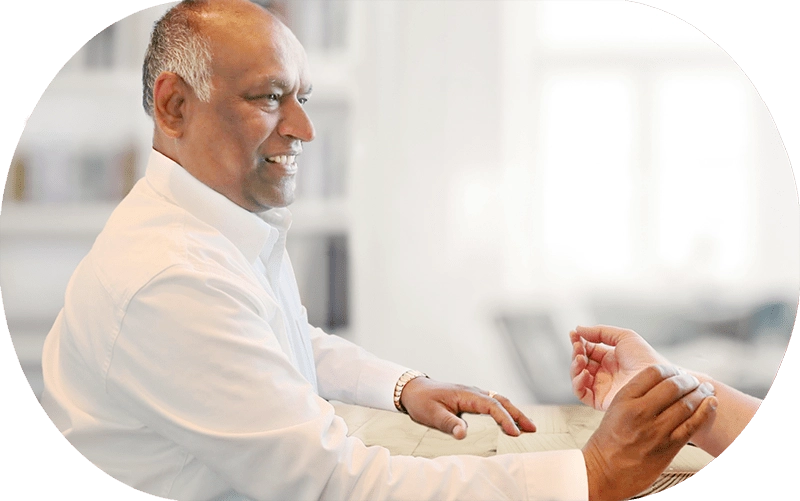
Raman Das Mahatyagi
Raman Das is the principal Ayurvedic Practitioner at Yatan Holistic Ayurvedic Centre in Sydney.
With more than 30+ years of professional experience, Raman Das brings together traditional Ayurveda and yoga to provide personalised support for your health and wellbeing at different stages of life.
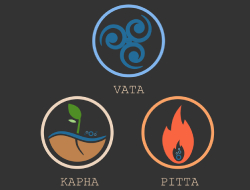
Ayurveda is one of the world's oldest traditional systems of health and wellbeing and remains widely practised today. Ayurveda traditionally places considerable emphasis on maintaining balance, healthy daily routines and supporting wellbeing before problems arise. Its holistic approach considers the individual as a whole, with particular attention to diet, digestion, lifestyle, sleep, stress, daily routines and the balance of the doshas.
At Yatan Centre, we use these traditional Ayurvedic principles to develop an individualised approach designed to support greater balance, healthy lifestyle habits, and overall wellbeing.
With more than 30+ years of professional experience, Raman Das brings together traditional Ayurveda and yoga to provide personalised support for your health and wellbeing at different stages of life.
Ayurveda is one of the world's oldest traditional systems of health and wellbeing and remains widely practised today. Ayurveda traditionally places considerable emphasis on maintaining balance, healthy daily routines and supporting wellbeing before problems arise. Its holistic approach considers the individual as a whole, with particular attention to diet, digestion, lifestyle, sleep, stress, daily routines and the balance of the doshas.
At Yatan Centre, we use these traditional Ayurvedic principles to develop an individualised approach designed to support greater balance, healthy lifestyle habits, and overall wellbeing.
Professional Standing
ATMS Fellow 2026–27
Raman Das is a Fellow of the Australian Traditional-Medicine Society (ATMS), a professional distinction available to practitioners who have been Accredited Members of ATMS for at least 10 years.
Fellow status recognises longstanding commitment and contribution to the natural medicine profession, together with ongoing professional development.
Yoga Australia
Raman Das is a member of Yoga Australia and a Registered Level 3 (Senior) Teacher, reflecting his extensive yoga training, teaching experience and longstanding professional practice.

Australian Ayurvedic Association
Raman Das is a member of the Australian Ayurvedic Association (AAA), a professional association for Ayurvedic practitioners in Australia.
Why Choose Ayurveda?
Ayurveda offers a natural and holistic approach to health and wellbeing, with care tailored to your individual constitution, lifestyle and needs.
Rather than looking at symptoms in isolation, Ayurveda considers the whole person — including digestion, diet, sleep, stress, lifestyle and the balance of the doshas — to help identify areas where greater balance may be supported.
Ayurvedic care may help support:
Our Ayurvedic Services
At our Ayurvedic clinic in Sydney, we offer a range of traditional Ayurvedic services designed to support your individual health and wellbeing needs. Our services include:
Our Ayurvedic practitioner Raman Das takes the time to understand your individual constitution, health concerns, diet and lifestyle before recommending a personalised approach to your care.
We also provide practical guidance to help you incorporate Ayurvedic principles into your everyday life and support your ongoing health and wellbeing.
Schedule Your Free 10-Minute Consultation
*Discover holistic healing with a complimentary phone or video consultation from our expert Ayurvedic practitioner. Start your path to better health today!*

Women’s Health
Personalised Ayurvedic support through different stages of a woman’s life, from menstrual health to menopause.

Men’s Health
Ayurvedic support for men’s vitality, reproductive wellbeing, healthy ageing and general health.

Children’s Health
Gentle, individualised Ayurvedic support for children’s digestion, immunity, sleep and overall wellbeing.

Skin Health
A personalised Ayurvedic approach to supporting skin health, balance and comfort from within.

Respiratory Health
Ayurvedic support for healthy breathing, sinus comfort and seasonal respiratory wellbeing.

Joint & Musculoskeletal Health
Support for mobility, flexibility, joint comfort and recovery through Ayurveda and therapeutic yoga.

Stress & Emotional Wellbeing
Ayurvedic support for stress, sleep, mental calm, energy and greater day-to-day resilience.

Digestive Health
Personalised support for digestion, bowel regularity, metabolic balance and gastrointestinal wellbeing.

Dental & Oral Care
Traditional Ayurvedic approaches to supporting healthy gums, teeth, breath and daily oral care.

Weight Management
A personalised Ayurvedic program supporting sustainable weight management, metabolism and healthy lifestyle habits.
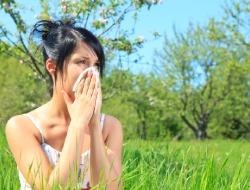
Kapha Season and Allergy Support
In Ayurveda, late winter and early spring are Kapha season. This is when accumulated Kapha begins to liquefy, and it often shows up as congestion, sinus pressure, hay fever and sluggish digestion. Sydney's spring allergy season usually begins in late August and peaks through September and October.
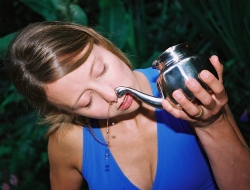
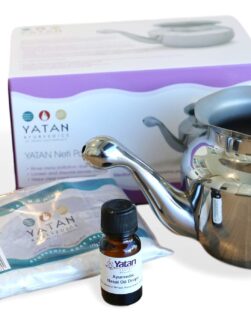
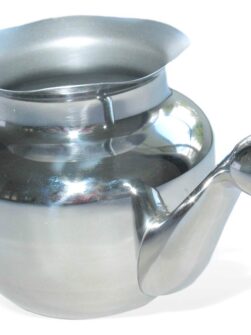
The Ayurvedic approach is to prepare before symptoms peak: lighten the diet, support Agni (your digestive fire), cleanse the nasal passages daily with a neti pot, and where appropriate, do a gentle pre-spring Panchakarma cleanse. If hay fever, sinusitis or seasonal fatigue trouble you every year, August is the ideal month to start.
Our Distinction
What Makes Yatan Different
Plenty of Sydney clinics offer Ayurvedic-style services. Here's what genuinely distinguishes Yatan.
01
Custom-Prepared Ayurvedic Herbal Formulations
At Yatan Centre, we prepare herbal formulations individually rather than taking a one-size-fits-all approach. We consider your Ayurvedic constitution (Prakriti), current dosha balance (Vikriti), health concerns, diet, and lifestyle when selecting and combining traditional Ayurvedic herbs.
This means two people with similar health concerns may receive different herbal formulations based on their individual Ayurvedic assessment.
02
30+ Years of Professional Experience
Raman Das has practised Ayurveda for more than 30 years, beginning his professional practice in Nepal before establishing Yatan Holistic Ayurvedic Centre in Sydney in 2000. His extensive experience encompasses traditional Ayurveda, yoga and personalised Ayurvedic care.
03
Author of Two Ayurveda & Yoga Books
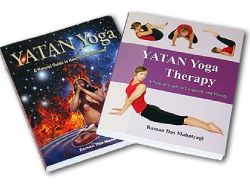
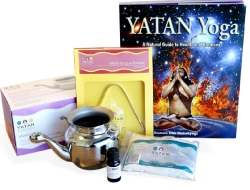
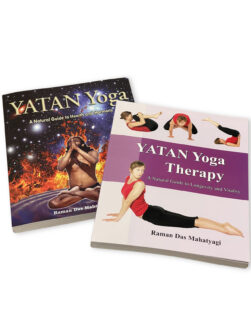
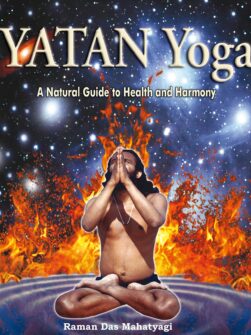
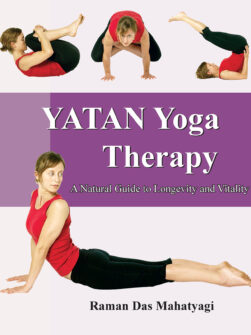
Raman Das is the author of YATAN Yoga and YATAN Yoga Therapy — instructional books that bring together yoga practices and traditional Ayurvedic principles, reflecting his longstanding study and practical experience in both disciplines.
04
Fellow of the Australian Traditional-Medicine Society
Raman Das is a Fellow of the Australian Traditional-Medicine Society (ATMS), reflecting his longstanding professional involvement in complementary medicine in Australia.
05
Ayurveda + Yoga, Integrated
Yatan brings Ayurveda and yoga together as part of an integrated approach to health and wellbeing. The name YATAN reflects this broader philosophy — Yoga, Ayurveda, Tantra, Astrology and Nature.
Where appropriate, personalised yoga practices may be recommended alongside Ayurvedic diet, lifestyle, herbal and other traditional approaches to support your individual needs.
Our Clients
Reviews

Eva Bergstrom
1 year ago
I’ve had the pleasure of working with Raman Das for two decades now, and I can honestly say he is one of the best Ayurvedic herbalists I have ever encountered. I am qualified medical herbalist myself ( though I don’t practise it). I have experienced many herbalists in the past.
Raman Das’s deep knowledge and intuitive understanding of the human body have made a significant difference in my health and well-being.
From our very first session, Raman Das showed an incredible ability to listen and tailor his approach to my unique needs. He not only provides effective herbal remedies but also educates me on how to maintain balance in my life.
Thanks to his guidance, I’ve seen improvements in so many health issues or overall wellness.
I found myself twice on the brink of needing surgery, but thanks to Raman Das's incredible guidance and herbal remedies, I was able to avoid those operations.
I genuinely appreciate his holistic approach and the care he puts into every consultation.
I trust him with my life when it comes to health.
Literally!
If you're looking for someone who combines expertise and I mean he truly understands the human body with a compassionate touch, I highly recommend Raman Das. He’s simply the best!

Prateek
1 year ago
Dr. Raman Das is an exceptional Ayurvedic practitioner and healer.
With many decades of experience and deep knowledge of traditional Ayurvedic principles, he has helped overcome challenging health concerns where modern medicine couldnt.
His approach is compassionate and holistic—focusing on addressing the root cause while restoring overall balance and well-being.
A unique & outstanding expertise, Dr. Das is highly recommended for anyone seeking authentic Ayurvedic care and lasting results.

Samantha Kropff
1 year ago
Raman Das is spot on with the assessment he makes and the remedies he provides. I feel immediate benefits from what he gives me and I am changing physically in the process. My energy has improved, my metabolism has improved, and my physical discomforts have gone away. This is worth the investment.

Devi Uka
1 year ago
I have been seeing Ramandas for many years, he is responsive to whatever symptoms I have and always provides a solution and advice. He is very intuitive and explains my issues. I am very appreciative of his treatment and advice.

Alexey Sviridov
1 year ago
I'm so happy I get to know Raman Das and his treatments. Panchakarma is a real eye opener on the power of the method. Countless benefits and if course ask my symptoms at gone!

Ashwani Malhotra
1 year ago
Amazing doctor who is very knowledgeable and knows his subject well. Effective medication.
Highly recommended .

Yolanda Aloysius
2 years ago
Raman Das was very intuitive in diagnosing my issues. His medicine are extremely effective and now after 1 month I can already see the results. Thank you Raman Das

Jacqueline Salvatore
2 years ago
Raman Das is an incredible Ayurvedic practitioner. I've been seeing him for years, following a serious, sudden health battle. Originally recommended by a good friend who said of him, quote "saved my life", and very well-respected in his field. He treats healing in a holistic way, with a genuine, non-egoic, and respectful attitude. His intelligence in his field is second to none, simultaneously he keeps his mind open to be receptive to the individual nature of the body and overall system. He is what I consider to be a true healer. The gains we've made have been nothing short of incredible, and perplexed us both! I seriously wouldn't go anywhere else.

Rebecca Dodson
3 years ago
Wonderful practitioner. Great oils products, and services

Maggie Lichaa
3 years ago
Raman is a gifted, intuitive and skilled healer who applies his wisdom to deliver a holistic, professional approach to healthcare and wellbeing. Within the last two years, I have gained important insights and made great progress within my overall wellbeing under his care. I highly recommend Raman to all seeking to better their general vitality and overall health.

Sabrina Yeow
3 years ago
I have been seeing Raman Das for over 2 years and he has been treating me for various of my health issues. My health has been improving since than and also maintain of all health aspects. I highly recommend Raman Das to anyone who have all kinds of health issues and to also keep an open mind towards being healthy and to stay young and live a happy life. Thank you Raman Das for everything.
Not sure where to start? Have a free 10-minute call with Raman Das.
 1300 552 260
 WhatsApp
  Book online
FAQs About Your Ayurvedic Treatment
Ayurvedic medicine, originating from India, is one of the oldest traditional medicine systems, with a history that spans over 5,000 years.
The term “Ayurveda” is derived from the Sanskrit words ayus, meaning “life,” and veda, meaning “knowledge” or “science,” thus translating to “the science of life” or “knowledge of life.”
Ayurveda is founded on several core principles that emphasise a holistic approach to health, integrating the physical, emotional, and spiritual aspects of well-being.
The main principles include:
- Balance of the Doshas
- A Holistic Perspective
- Individual Constitution (Prakriti)
- Prevention and Self-Healing
- Five Elements (Pancha Mahabhuta)
- The Importance of Agni (Digestive Fire)
- Detoxification (Panchakarma)
These principles not only guide Ayurvedic treatment but also empower you to understand your dosha type. By doing so, you can live more in harmony with your environment, and daily and seasonal rhythms, making lifestyle choices that foster a greater sense of control over your health.
For more information, read our in-depth description about Ayurveda.
Ayurvedic treatment is personalised according to your individual constitution, current health concerns, diet and lifestyle.
From an Ayurvedic perspective, symptoms may be considered in relation to factors such as dosha balance, Agni (digestive function), Ama (traditionally described as the accumulation of incompletely processed substances), diet, lifestyle and environmental influences.
Depending on your individual needs, Ayurvedic care may include dietary and lifestyle recommendations, traditional Ayurvedic herbal preparations, massage and body therapies, yoga, breathing practices and, where appropriate, Panchakarma.
People come to Yatan Centre seeking Ayurvedic support for a wide range of health and wellbeing concerns, including:
- Joint and musculoskeletal concerns, including arthritis, back pain and general joint discomfort
- Women’s and men’s health concerns, including menopause, menstrual health, PCOS, erectile dysfunction and prostate health
- Digestive concerns, including IBS, constipation, acid reflux, bloating and haemorrhoids
- Respiratory and seasonal concerns, including sinus problems, hay fever and asthma
- Skin concerns, including eczema, psoriasis, acne and vitiligo
- Stress, sleep difficulties, fatigue and general wellbeing
- Healthy weight and lifestyle management
The Ayurvedic approach is individualised and may incorporate diet, lifestyle, traditional herbal preparations, yoga and body therapies according to your needs.
Ayurvedic care should complement, rather than replace, appropriate medical assessment and treatment where required.
Ayurvedic herbal preparations and therapies are selected according to the individual, but natural does not necessarily mean risk-free. Herbs and other preparations may cause unwanted effects in some people and may interact with prescription medicines or other supplements.
For this reason, it is important to tell your Ayurvedic practitioner about any medications, supplements and medical treatment you are receiving. You should also keep your doctor or other relevant healthcare professional informed about complementary medicines you are taking. This transparency helps ensure a safer and more effective treatment plan.
If you experience an unexpected reaction or new symptoms while using an Ayurvedic preparation, seek appropriate professional advice.
There is no standard timeframe because every person and health concern is different. The recommended duration of Ayurvedic care depends on factors such as your health history, the nature and duration of your concerns, your constitution, lifestyle and the type of support being provided.
Some people seek Ayurveda for short-term guidance, while others choose ongoing care as part of their health and lifestyle routine.
At your consultation, Raman Das can discuss a recommended approach and suitable review schedule based on your individual circumstances.
Panchakarma is a traditional Ayurvedic cleansing and rejuvenation practice. In classical Ayurveda, it is used to support the body’s natural processes and restore balance according to Ayurvedic principles.
Panchakarma is the cornerstone of Ayurvedic detoxification, consisting of therapeutic procedures aimed at eliminating toxins (ama) from the body and rejuvenating overall health.
Panchakarma treatment may include:
- Abhyanga (massage with Ayurvedic oils) to soften tissues and mobilise toxins
- herbal steam therapy that opens pores, enhances circulation and prepares the body for deeper cleansing
- Basti (herbal decoction enema) – targeting Vata dosha
- Virechana (purgation with Ayurvedic herbal laxatives) – targeting Pitta dosha
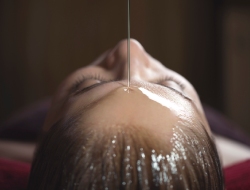
- Shirodhara – warm Ayurvedic oil stream to Ajna Marma (third-eye chakra) for mental cleansing and stress reduction
Dietary adjustments, Ayurvedic herbal remedies with specific cleansing properties, yoga and pranayama can all be used to enhance the panchakarma cleansing process.
To find out more about Panchakarma Treatments at the Yatan Centre, read our in-depth descriptions of Panchakarma, Ayurvedic Massage and Shirodhara.
From an Ayurvedic perspective, joint discomfort and mobility problems are considered in relation to the individual’s dosha balance, digestion, lifestyle and other contributing factors.
Ayurvedic support for joint health may include personalised dietary and lifestyle recommendations, traditional herbal preparations, Ayurvedic massage, gentle yoga and other therapies selected according to the individual.
Ayurvedic care can be used as a complementary approach alongside appropriate medical assessment and treatment for persistent or significant pain.
Ayurveda has traditionally taken an individualised approach to women’s health throughout different stages of life, including menstruation, reproductive years, perimenopause and menopause.
At Yatan Centre, factors such as your individual constitution, diet, digestion, sleep, stress, lifestyle and dosha balance are considered when developing an Ayurvedic approach. Recommendations may include nutrition and lifestyle guidance, traditional Ayurvedic herbal preparations, yoga and other supportive therapies.
For more information, see our Menopause and Women’s Health pages.
During an Ayurvedic consultation at Yatan Holistic Ayurvedic Centre, we discuss your health history, current concerns, diet, lifestyle, sleep and other factors relevant to your wellbeing.
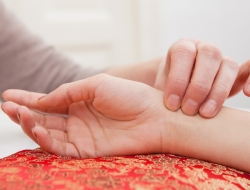
Traditional Ayurvedic assessment methods may include pulse, tongue and other physical observations to help Raman Das understand your constitution (Prakriti) and current dosha balance (Vikriti).
Based on this assessment, you will receive personalised Ayurvedic recommendations, which may include diet and lifestyle guidance, traditional herbal preparations, yoga or other Ayurvedic therapies where appropriate.
For further information read the more detailed description of our Ayurvedic Consultation process.
At Yatan, the initial 60-minute consultation is $139. Standard follow-ups are $81 (30 min) or $51 (15 min). A free 10-minute phone or video call is offered first to help you decide whether Ayurvedic care suits your situation. Herbal preparations are an additional cost based on what’s prescribed. Most clients spend $200-400 for the first few months including herbs, then less for ongoing maintenance.
Prices current as at August 2026.
Yes. Yatan Centre offers telehealth Ayurvedic consultations throughout Australia and internationally.
During a video consultation, Raman Das can discuss your health concerns, diet and lifestyle and make traditional Ayurvedic observations that are possible remotely. We can then provide personalised recommendations and, where appropriate, post Ayurvedic herbal preparations to you.
Hands-on therapies such as Ayurvedic massage, Shirodhara and Panchakarma require attendance at our Sydney clinic.
Yatan Holistic Ayurvedic Centre is located at Suite 28, 924 Pacific Highway, Gordon NSW 2072, on Sydney’s Upper North Shore.
The clinic is conveniently located for clients from Gordon, Lindfield, Killara, Pymble, St Ives, Hornsby and surrounding areas.
Clinic hours are Monday to Friday, 9.00 am–5.30 pm, and Saturday, 9.00 am–1.00 pm.
In Ayurveda, seasonal allergy symptoms are traditionally considered in relation to factors such as Kapha balance, Agni (digestive function), diet, lifestyle and seasonal changes.
An individualised Ayurvedic approach may include dietary and lifestyle recommendations, traditional herbal preparations and practices such as nasal cleansing, where appropriate. Ayurveda also places importance on adjusting daily routines and diet as the seasons change.
At Yatan Centre, recommendations are personalised according to the individual’s constitution, symptoms and overall health. Ayurvedic care may be used alongside appropriate conventional management for allergies.
Ayurvedic medicine, originating from India, is one of the oldest traditional medicine systems, with a history that spans over 5,000 years.
The term “Ayurveda” is derived from the Sanskrit words ayus, meaning “life,” and veda, meaning “knowledge” or “science,” thus translating to “the science of life” or “knowledge of life.”
Ayurveda is founded on several core principles that emphasise a holistic approach to health, integrating the physical, emotional, and spiritual aspects of well-being.
The main principles include:
- Balance of the Doshas
- A Holistic Perspective
- Individual Constitution (Prakriti)
- Prevention and Self-Healing
- Five Elements (Pancha Mahabhuta)
- The Importance of Agni (Digestive Fire)
- Detoxification (Panchakarma)
These principles not only guide Ayurvedic treatment but also empower you to understand your dosha type. By doing so, you can live more in harmony with your environment, and daily and seasonal rhythms, making lifestyle choices that foster a greater sense of control over your health.
For more information, read our in-depth description about Ayurveda.
Ayurvedic treatment is personalised according to your individual constitution, current health concerns, diet and lifestyle.
From an Ayurvedic perspective, symptoms may be considered in relation to factors such as dosha balance, Agni (digestive function), Ama (traditionally described as the accumulation of incompletely processed substances), diet, lifestyle and environmental influences.
Depending on your individual needs, Ayurvedic care may include dietary and lifestyle recommendations, traditional Ayurvedic herbal preparations, massage and body therapies, yoga, breathing practices and, where appropriate, Panchakarma.
People come to Yatan Centre seeking Ayurvedic support for a wide range of health and wellbeing concerns, including:
- Joint and musculoskeletal concerns, including arthritis, back pain and general joint discomfort
- Women’s and men’s health concerns, including menopause, menstrual health, PCOS, erectile dysfunction and prostate health
- Digestive concerns, including IBS, constipation, acid reflux, bloating and haemorrhoids
- Respiratory and seasonal concerns, including sinus problems, hay fever and asthma
- Skin concerns, including eczema, psoriasis, acne and vitiligo
- Stress, sleep difficulties, fatigue and general wellbeing
- Healthy weight and lifestyle management
The Ayurvedic approach is individualised and may incorporate diet, lifestyle, traditional herbal preparations, yoga and body therapies according to your needs.
Ayurvedic care should complement, rather than replace, appropriate medical assessment and treatment where required.
Ayurvedic herbal preparations and therapies are selected according to the individual, but natural does not necessarily mean risk-free. Herbs and other preparations may cause unwanted effects in some people and may interact with prescription medicines or other supplements.
For this reason, it is important to tell your Ayurvedic practitioner about any medications, supplements and medical treatment you are receiving. You should also keep your doctor or other relevant healthcare professional informed about complementary medicines you are taking. This transparency helps ensure a safer and more effective treatment plan.
If you experience an unexpected reaction or new symptoms while using an Ayurvedic preparation, seek appropriate professional advice.
There is no standard timeframe because every person and health concern is different. The recommended duration of Ayurvedic care depends on factors such as your health history, the nature and duration of your concerns, your constitution, lifestyle and the type of support being provided.
Some people seek Ayurveda for short-term guidance, while others choose ongoing care as part of their health and lifestyle routine.
At your consultation, Raman Das can discuss a recommended approach and suitable review schedule based on your individual circumstances.
Panchakarma is a traditional Ayurvedic cleansing and rejuvenation practice. In classical Ayurveda, it is used to support the body’s natural processes and restore balance according to Ayurvedic principles.
Panchakarma is the cornerstone of Ayurvedic detoxification, consisting of therapeutic procedures aimed at eliminating toxins (ama) from the body and rejuvenating overall health.
Panchakarma treatment may include:
- Abhyanga (massage with Ayurvedic oils) to soften tissues and mobilise toxins
- herbal steam therapy that opens pores, enhances circulation and prepares the body for deeper cleansing
- Basti (herbal decoction enema) – targeting Vata dosha
- Virechana (purgation with Ayurvedic herbal laxatives) – targeting Pitta dosha
- Shirodhara – warm Ayurvedic oil stream to Ajna Marma (third-eye chakra) for mental cleansing and stress reduction
Dietary adjustments, Ayurvedic herbal remedies with specific cleansing properties, yoga and pranayama can all be used to enhance the panchakarma cleansing process.
To find out more about Panchakarma Treatments at the Yatan Centre, read our in-depth descriptions of Panchakarma, Ayurvedic Massage and Shirodhara.
From an Ayurvedic perspective, joint discomfort and mobility problems are considered in relation to the individual’s dosha balance, digestion, lifestyle and other contributing factors.
Ayurvedic support for joint health may include personalised dietary and lifestyle recommendations, traditional herbal preparations, Ayurvedic massage, gentle yoga and other therapies selected according to the individual.
Ayurvedic care can be used as a complementary approach alongside appropriate medical assessment and treatment for persistent or significant pain.
Ayurveda has traditionally taken an individualised approach to women’s health throughout different stages of life, including menstruation, reproductive years, perimenopause and menopause.
At Yatan Centre, factors such as your individual constitution, diet, digestion, sleep, stress, lifestyle and dosha balance are considered when developing an Ayurvedic approach. Recommendations may include nutrition and lifestyle guidance, traditional Ayurvedic herbal preparations, yoga and other supportive therapies.
For more information, see our Menopause and Women’s Health pages.
During an Ayurvedic consultation at Yatan Holistic Ayurvedic Centre, we discuss your health history, current concerns, diet, lifestyle, sleep and other factors relevant to your wellbeing.
Traditional Ayurvedic assessment methods may include pulse, tongue and other physical observations to help Raman Das understand your constitution (Prakriti) and current dosha balance (Vikriti).
Based on this assessment, you will receive personalised Ayurvedic recommendations, which may include diet and lifestyle guidance, traditional herbal preparations, yoga or other Ayurvedic therapies where appropriate.
For further information read the more detailed description of our Ayurvedic Consultation process.
At Yatan, the initial 60-minute consultation is $139. Standard follow-ups are $81 (30 min) or $51 (15 min). A free 10-minute phone or video call is offered first to help you decide whether Ayurvedic care suits your situation. Herbal preparations are an additional cost based on what’s prescribed. Most clients spend $200-400 for the first few months including herbs, then less for ongoing maintenance.
Prices current as at August 2026.
Yes. Yatan Centre offers telehealth Ayurvedic consultations throughout Australia and internationally.
During a video consultation, Raman Das can discuss your health concerns, diet and lifestyle and make traditional Ayurvedic observations that are possible remotely. We can then provide personalised recommendations and, where appropriate, post Ayurvedic herbal preparations to you.
Hands-on therapies such as Ayurvedic massage, Shirodhara and Panchakarma require attendance at our Sydney clinic.
Yatan Holistic Ayurvedic Centre is located at Suite 28, 924 Pacific Highway, Gordon NSW 2072, on Sydney’s Upper North Shore.
The clinic is conveniently located for clients from Gordon, Lindfield, Killara, Pymble, St Ives, Hornsby and surrounding areas.
Clinic hours are Monday to Friday, 9.00 am–5.30 pm, and Saturday, 9.00 am–1.00 pm.
In Ayurveda, seasonal allergy symptoms are traditionally considered in relation to factors such as Kapha balance, Agni (digestive function), diet, lifestyle and seasonal changes.
An individualised Ayurvedic approach may include dietary and lifestyle recommendations, traditional herbal preparations and practices such as nasal cleansing, where appropriate. Ayurveda also places importance on adjusting daily routines and diet as the seasons change.
At Yatan Centre, recommendations are personalised according to the individual’s constitution, symptoms and overall health. Ayurvedic care may be used alongside appropriate conventional management for allergies.




Recent posts


Flexibility: Why Staying Flexible Matters for Healthy Ageing
Updated October 5, 2026 Flexibility is not about touching your toes or mastering an advanced yoga pose. It is about whether your joints, muscles and connective…



Book your free 10-minute consultation
Discover how personalised Ayurvedic care can help restore your health, naturally. Speak with Raman Das about your situation, with no obligation.
 Suite 28, 924 Pacific Highway, Gordon NSW 2072
  Available Australia-wide & internationally
 Reviewed and updated by Raman Das Mahatyagi, Principal Ayurvedic Practitioner (ATMS Fellow, 2026-27) | Last updated: 6 August 2026